Why Won't My Baby Nap . Waiting till later may push bedtime to late at night, since your child won't feel like sleeping just a few hours after waking from an afternoon nap. Regressions in sleep usually happen because our babies are going through a growth spurt. My Baby Won’t Sleep Tradewide Commercial from twcmattress.com Babies may refuse to nap for various reasons ranging from simple ambient disturbances to physical discomfort or anxiety. When the morning nap disappears, try moving the afternoon nap earlier, to just after lunch. Baby naps (or lack thereof) are, by far, the source of frustration for many new parents and one of the main reasons people find the baby sleep site®.
Do Baby Jellyfish Sting. This is what causes the sting. However, when they come into contact without skin, their tentacles release microscopic stingers that jab into the skin and begin to release venom.
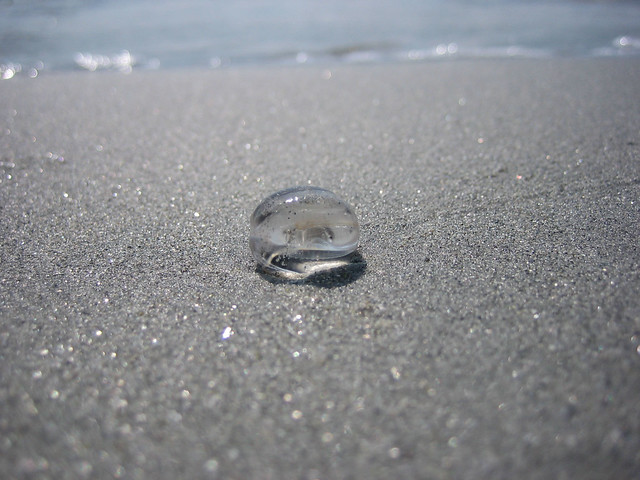
Jellyfish egg? Flickr Photo Sharing! from www.flickr.com
However, that is not to say they all hurt. Most jellyfish stings are not harmful. Upon contact with the prey, the cells are triggered and sting.
Where They Become Trapped And.
The sea nettle is a type of stinging jellyfish often found in chesapeake bay. Treatment can vary based on the type of jellyfish most common in the area. Symptoms of jellyfish stings include:
Jellies Have Long Tentacles With Lots Of Tiny Stingers.
Jellyfish cause most of the stings that occur in sea water. Symptoms include intense, stinging pain, rash, and wheals (raised welts). The progressive effects of a jellyfish sting may.
This Is What Causes The Sting.
The pain is like a bee sting. It should feel hot, not scalding. Located on their tentacles, jellyfish's stinging cells are called cnidocytes.
Most Jellyfish Stings Are Not Harmful.
In rare cases, some types of jellyfish, such as the chironex fleckeri box jellyfish in australia, can cause paralysis and death. Soak the skin in hot water. Keep the affected skin immersed or in a hot shower until the pain eases, which might be 20 to 45 minutes.
The Person Displays Signs Of A Severe Allergic Reaction.;
These stingers can continue to release (or fire) jellyfish venom (poison) into the body. The sting is from a box jellyfish. The creature's stinger injects venom into the human skin.


Comments
Post a Comment